Solar R290 Cold Rooms – Kayes (Mali)


Solar R290 cold rooms in Kayes, Mali
Two chilled cold rooms and an ice machine powered by solar energy, for a farming cooperative in the Kayes region
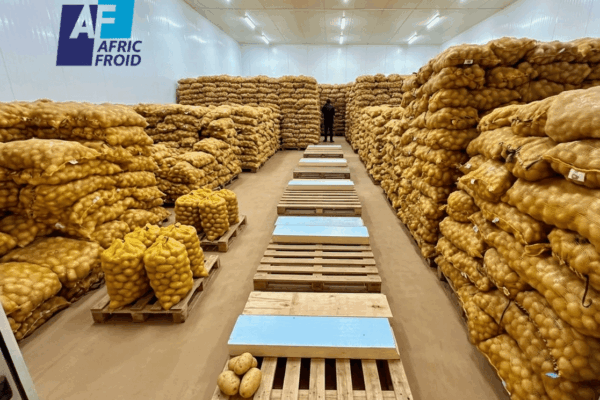
Supply, installation and commissioning, for GIZ, of two chilled cold rooms using propane (R290) and a flake ice machine, powered by a solar system, for a cooperative in the Kayes region of Mali that packs and sells vegetables and fish. A 60 m³ room stores potatoes and onions between −0.5 and +6 °C; a 25 m³ room keeps fresh fish, delivered on ice, between +4 and +6 °C. The installation was accepted without reservation on 30 June 2025.
Address
Kayes region, Mali
Scope of work
Execution plan, supply, installation, commissioning and user training.
Sector
Farming cooperative – Vegetables and fish
Temperature
−0.5 to +6 °C (vegetables), +4 to +6 °C (fish)
The solution delivered
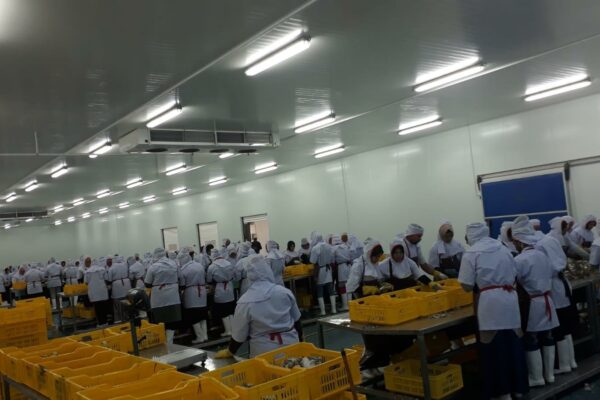
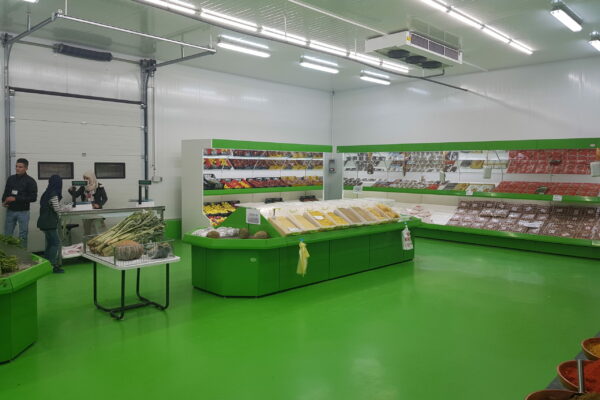
Context and client needs In the Kayes region, the cooperative needed to store potatoes, onions and fresh fish at different temperatures, and to have ice to transport the fish. GIZ’s Proklima programme required a natural refrigerant with a very low climate impact, propane (R290), and a mainly solar power supply.
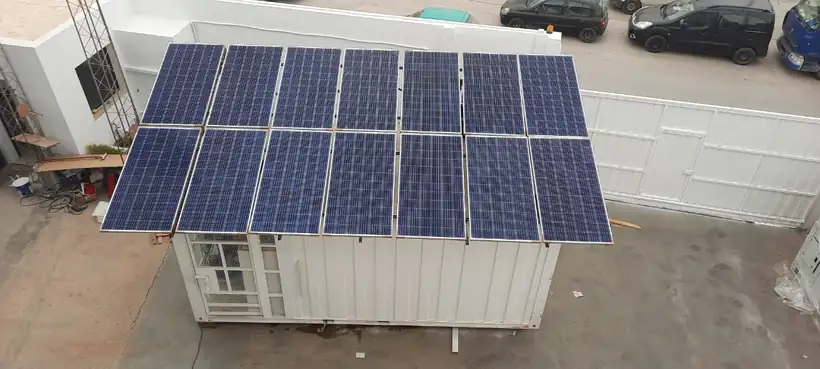
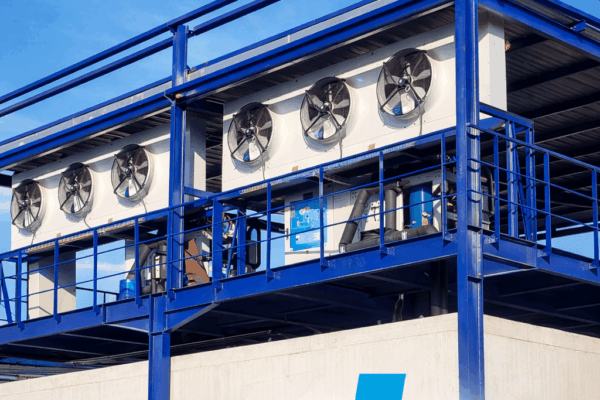
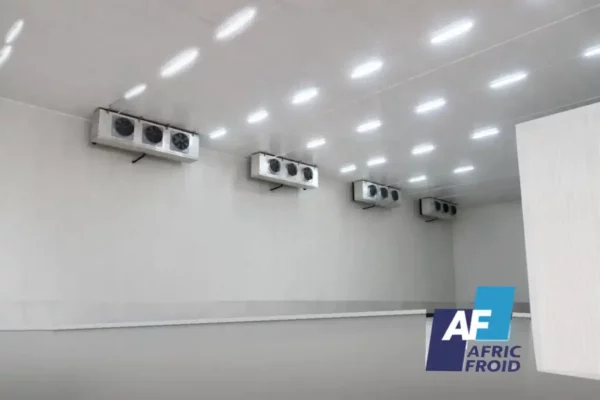
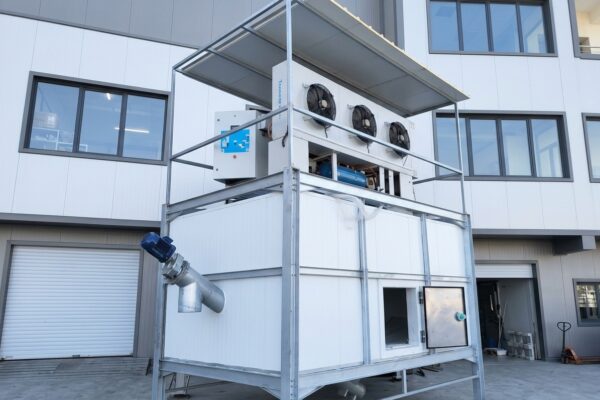
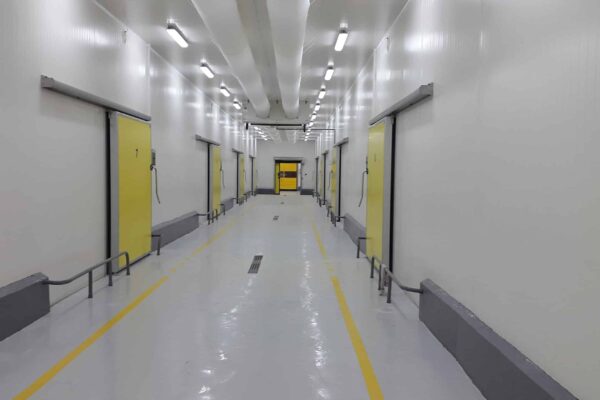
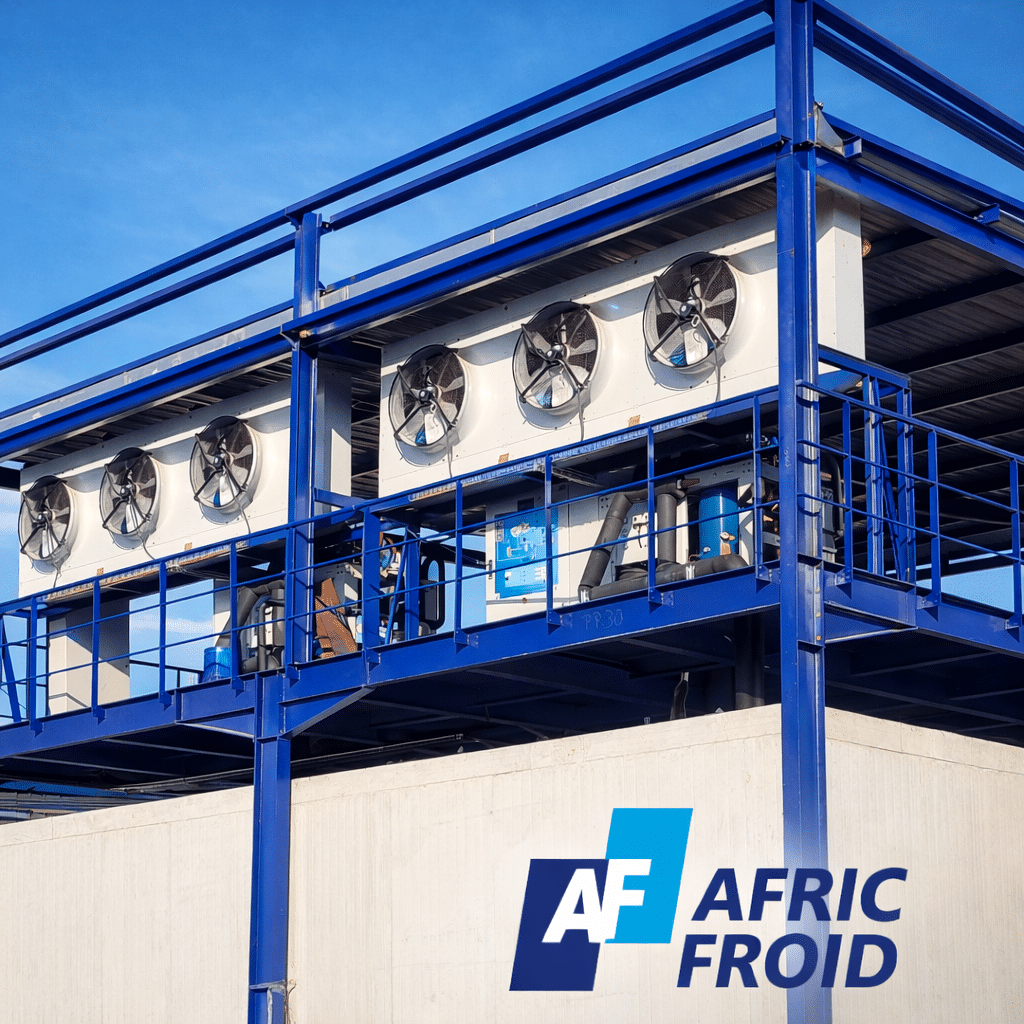
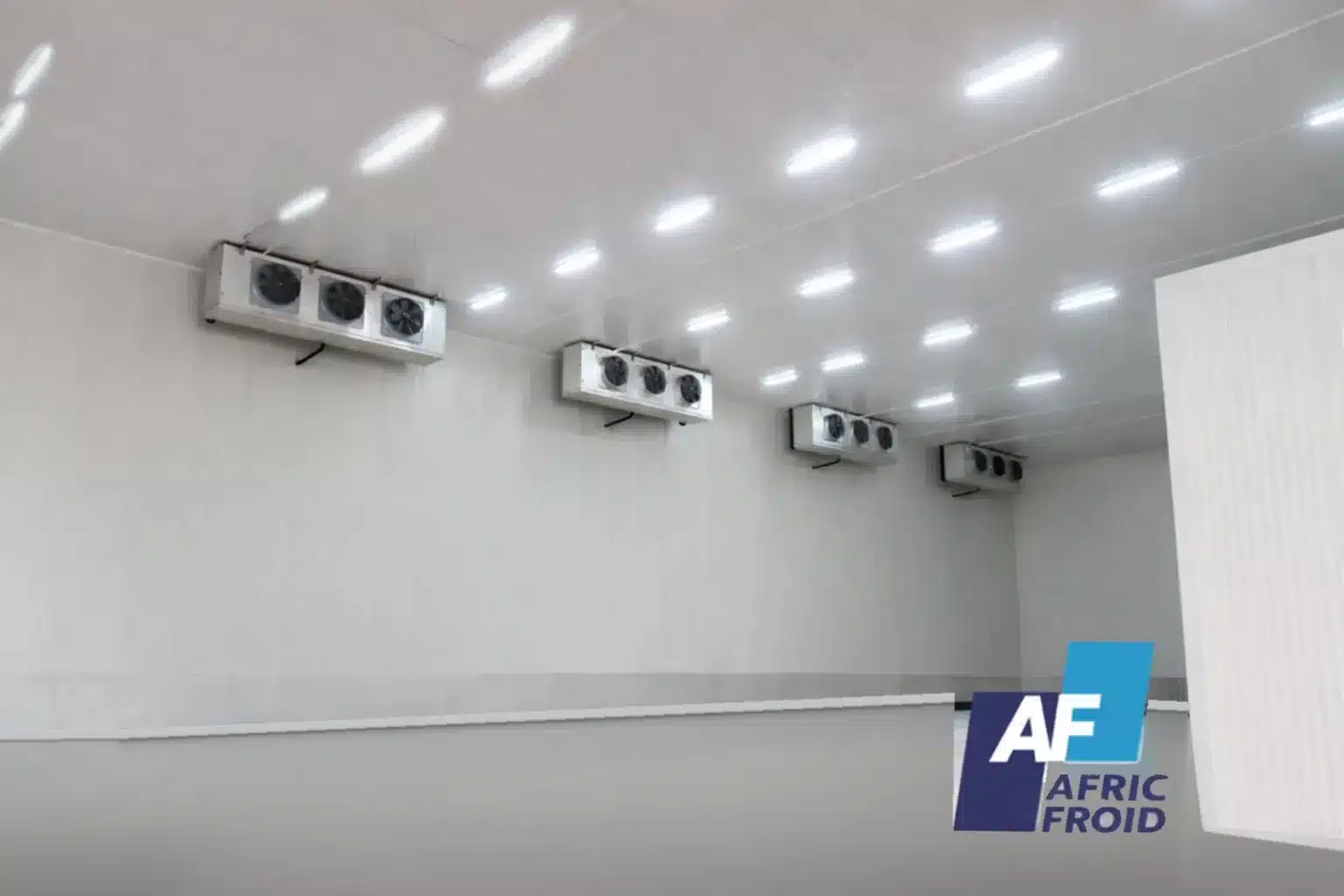
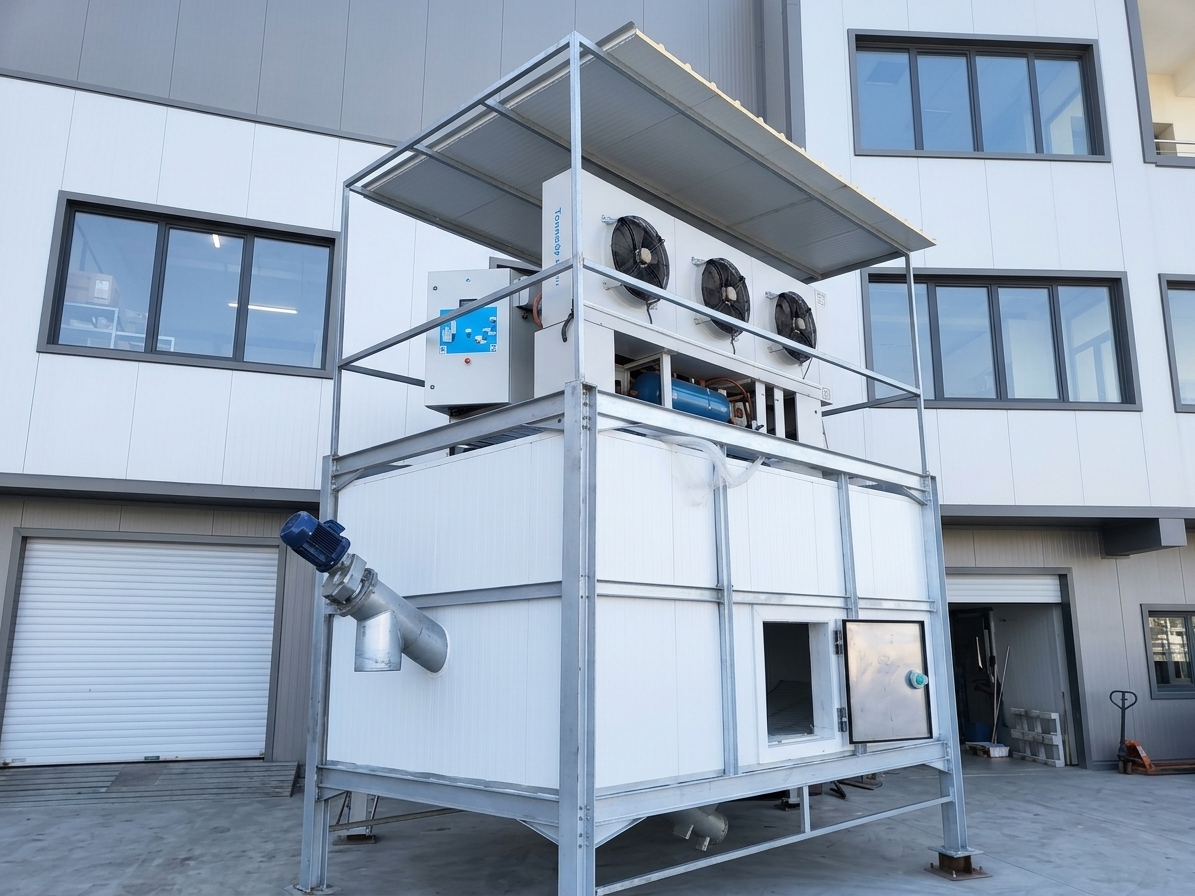
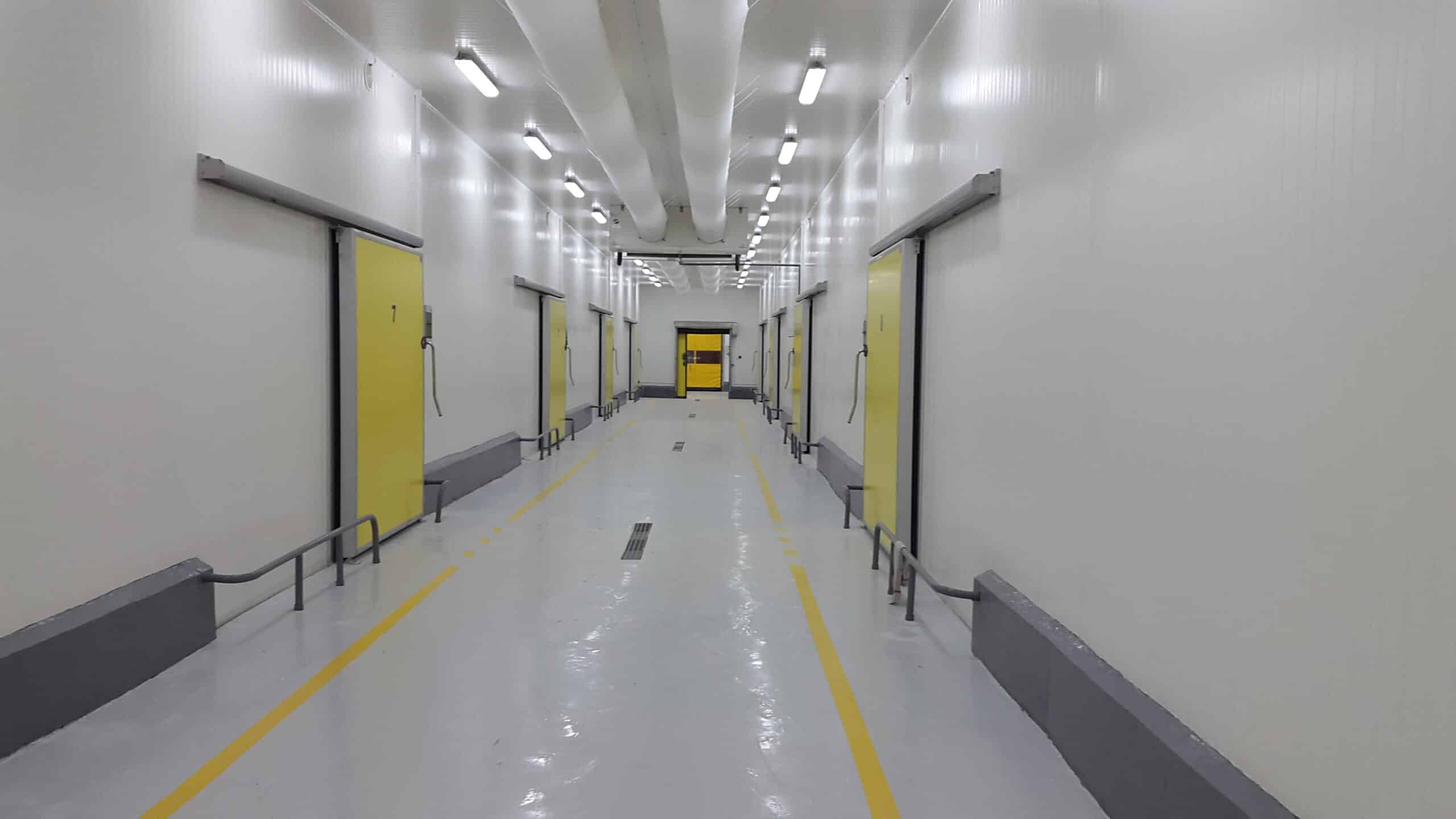
What we did AFRIC FROID supplied and installed two insulated sandwich-panel rooms with an airlock and sliding doors: a 6.6 × 3.8 × 2.4 m vegetable section (60.2 m³) cooled by an R290 monoblock of about 8 kW, and a 6.6 × 1.6 × 2.4 m fish section (25.3 m³) cooled by an R290 monoblock of about 4 kW. The roof-mounted Rivacold Select 3.0 monoblocks use hot-gas defrost. A Ziegra CoolNat R290 flake ice machine produces 230 kg of ice per 24 h for fish transport. Ground-mounted solar panels feed a Solax hybrid inverter, which runs the monoblocks, the ice machine and the electrical cabinet; a generator takes over in low sunlight. Peak solar output recorded on site: 8.6 kW. See also our solar cold rooms.
Project highlights
Storing vegetables and fresh fish at different temperatures and producing ice on site, with mainly solar energy and a natural refrigerant.
Two independent chilled rooms, each with its own R290 monoblock, an R290 flake ice machine and a solar system with a hybrid inverter and a backup generator.
A refrigerant with near-zero global warming potential, fewer post-harvest losses, ice available on site for the fish, and solar output monitored from the inverter app.